
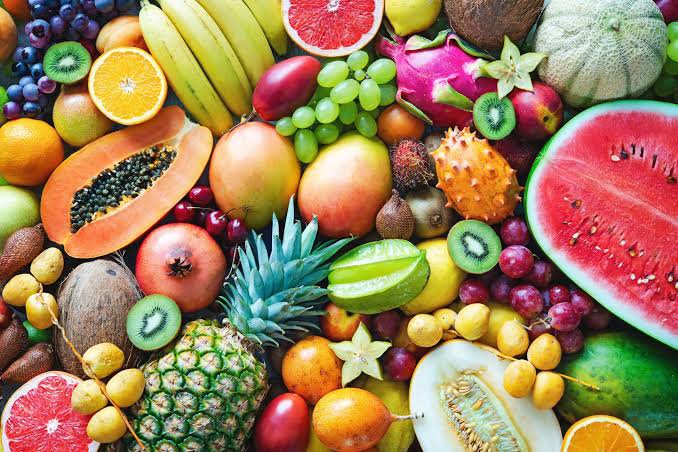
Eating more fruit is an excellent way to improve overall health and reduce the risk of disease.
Fruits are an excellent source of essential vitamins and minerals, and they are high in fiber. Fruits also provide a wide range of health-boosting antioxidants, including flavonoids.
Eating a diet high in fruits and vegetables can reduce a person’s risk of developing heart disease, cancer, inflammation, and diabetes. Citrus fruits and berries may be especially powerful for preventing disease.
A 2014 studyTrusted Source ranked “powerhouse” fruit and vegetables by high nutrient density and low calories. Lemons came out top of the list, followed by strawberry, orange, lime, and pink and red grapefruit.
In this article, we look at the nutrition and the many and varied health benefits of these and other fruits you can find in the supermarket.
01 . Lemon

Lemons contain vitamin C and other antioxidants that benefit health.
Lemons are a citrus fruit that people often use in traditional remedies because of their health benefits. Like other citrus fruits, they contain vitamin C and other antioxidants.
Antioxidants are essential for human health. These compounds mop up free radicals in the body that can damage the body’s cells and lead to diseases, such as cancers.
Researchers believe that the flavonoids in lemon and other citrus fruits have antibacterial, anticancer, and antidiabetic properties.
Citrus fruits, including lemons, contain active components called phytochemicals that benefit health. These include:
- vitamin C
- folic acid
- potassium
- pectin
The juice from one 48 g lemon containsTrusted Source the following nutrients in grams (g) or milligrams (mg):
- 11 calories
- 3.31 g carbohydrate
- 49 mg potassium
- 18.6 mg vitamin C
- 3 mg calcium
- 0.1 g of fiber
Lemons also contain thiamin, riboflavin, niacin, vitamin B-6, folate, and vitamin A.
How to eat lemons
Use the juice of a lemon to flavor drinking water or squeeze over a salad or fish. Try adding lemon juice to boiling water with a teaspoon of honey to help soothe a sore throat. It is also possible to eat the rind of organic lemons. Some people use the rind in recipes.
02 . Strawberries

Strawberries are a juicy, red fruit with a high water content. The seeds provide plenty of dietary fiber per serving. Strawberries contain many healthful vitamins and minerals.
Of particular note, they contain anthocyanins, which are flavonoids that can help boost heart health. The fiber and potassium in strawberries can also support a healthy heart.
In one study, women who ate 3 or more servings per week of strawberries and blueberries — which are both known for their high anthocyanin content — had a lower risk of having a heart attack than those with lower intake.
Strawberries and other colorful berries also contain a flavonoid called quercetin. This is a natural anti-inflammatory compound.
A serving of 3 large strawberries providesTrusted Source the following nutrients:
- 17 calories
- 4.15 g carbohydrate
- 1.1 g of fiber
- 9 mg of calcium
- 7 mg of magnesium
- 83 mg of potassium
- 31.8 mg of vitamin C
Strawberries also contain thiamin, riboflavin, niacin, folate, and vitamins B-6, A and K.
How to eat strawberries
Strawberries are a versatile fruit. People can eat them raw or add them to breakfast cereals or yogurt, blend them into a smoothie, or make them into jam.
03 . Orange

Oranges are a sweet, round citrus fruit packed with vitamins and minerals.
Oranges are among the richest sources of vitamin C, with one medium fruit providing 117 percentTrusted Source of a person’s daily value of vitamin C.
A 141 g orange also containsTrusted Source the following nutrients:
- 65 calories
- 16.27 g carbohydrate
- 3.4 g of fiber
- 61 mg of calcium
- 14 mg of magnesium
- 238 mg of potassium
- 63.5 mg of vitamin C
Vitamin C acts as a powerful antioxidant in the body. This vitamin is also essential for immune system function. It boosts immune function by helping the body to absorb iron from plant-based foods.
The human body cannot make vitamin C itself, so people need to get this vitamin from their diet.Oranges also contain high levels of pectin, which is a fiber that can keep the colon healthy by binding to chemicals that can cause cancer and removing them from the colon.
Oranges also provide the following healthful vitamins:
- vitamin A, a compound that is important for healthy skin and eyesight
- B-vitamins, including thiamin and folate, which help keep the nervous and reproductive systems healthy and help create red blood cells.
How to eat oranges
People can eat oranges on their own as a refreshing snack or by drinking a glass of pure orange juice. Juice oranges at home or choose a brand of fresh juice whose label states it is not from concentrate.
People can also grate orange peel into a salad, yogurt, or as a cereal topping to add extra flavor.
04 . Limes

Limes are a sour citrus fruit that provide a range of health benefits.
Like other citrus fruits, limes provide a healthful dose of vitamin C. They also have similar health benefits, antibacterial, and antioxidant properties.
The juice of one lime provides the following nutrientsTrusted Source:
- 11 calories
- 3.7 g carbohydrate
- 6 g calcium
- 4 mg magnesium
- 51 mg potassium
- 13.2 mg vitamin C
Read more about the benefits of limes and lime water here.
How to eat limes
Limes work well in savory foods. Try adding the juice or grated peel of a lime to flavor salad dressings or rice dishes. Otherwise, juice a lime and add to hot or cold water for a refreshing drink.
05 . Grapefruit
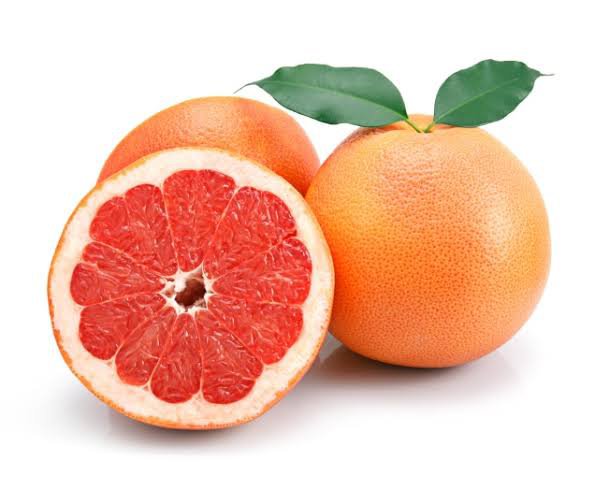
Grapefruits contain flavonoids, which can help protect against some cancers, inflammation, and obesity.
Grapefruits are sour fruits full of health-inducing vitamins and minerals. Grapefruits can be pink, red, or white.
Half a grapefruit containsTrusted Source the following nutrients:
- 52 calories
- 13.11 g carbohydrate
- 2.0 g fiber
- 27 g calcium
- 11 g magnesium
- 166 g potassium
- 38.4 g vitamin C
The flavonoids in grapefruits can help protect against some cancers, inflammation, and obesity.
A review study suggests the compounds called furanocoumarins found in grapefruits can help protect against oxidative stress and tumors and may support healthy bones.
Some research from this review suggests that grapefruit furanocoumarins may have anticancer properties, which may be especially effective against breast cancer, skin cancer, and leukemia. Researchers still need to carry out more studies on animals and humans to confirm these properties.
People may wish to see a doctor before adding grapefruit to their diet, as it can interact with certain medications.
How to eat grapefruit
Try adding grapefruit slices to a fruit salad, or squeeze the juice into water to make a drink. Otherwise, people can buy pure grapefruit juice from the supermarket.
06 . Blackberries
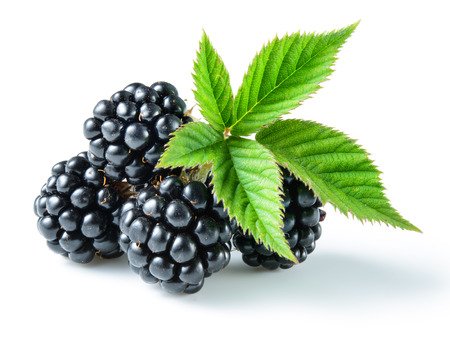
Like other berries, blackberries contain health-boosting anthocyanins.
Blackberries contain many seeds, so they have a high fiber content. This means they can help improve gut health and heart health.
Half a cup of blackberries containsTrusted Source the following nutrients:
- 31 calories
- 6.92 g carbohydrate
- 3.8 g fiber
- 21 mg calcium
- 14 mg magnesium
- 117 mg potassium
- 15.1 mg vitamin C
How to eat blackberries
People can eat blackberries fresh, add them to yogurt for breakfast or dessert, or add frozen blackberries to smoothies.
07 . Apple
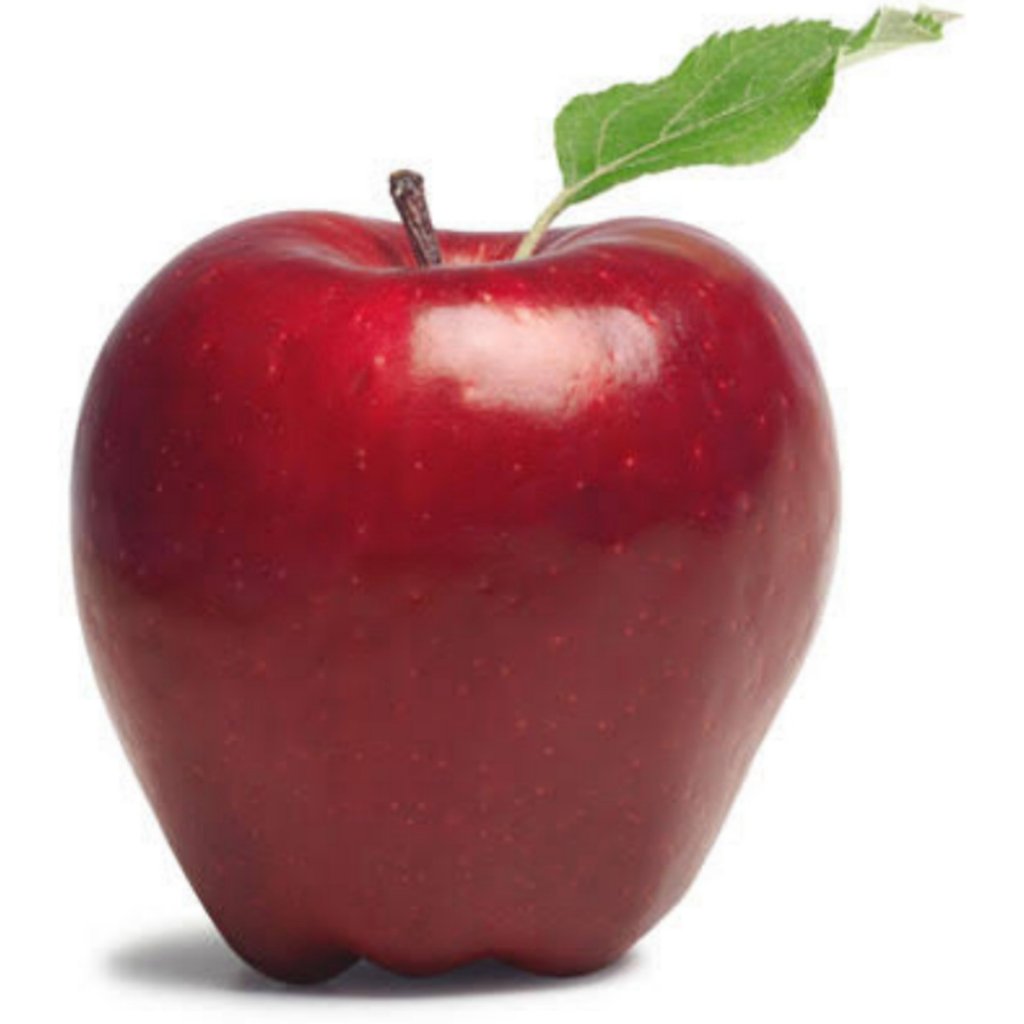
Apples make a quick and easy addition to the diet. Eat them with the skin on for the greatest health benefits.
Apples are high-fiber fruits, meaning that eating them could boost heart health and promote weight loss. The pectin in apples helps to maintain good gut health.
One medium apple containsTrusted Source the following nutrients:
- 95 calories
- 25.13 g of carbohydrate
- 4.4 g of fiber
- 195 mg of potassium
- 11 mg calcium
- 8.4 mg vitamin C
Research has shown that there is a link between eating apples regularly and a lower risk of cardiovascular disease, certain cancers, and diabetes.
Apples also have high levels of quercetin, a flavonoid which may have anti-cancer properties.
One study found that people who ate whole apples were 30 percent less likely to be obese than those who did not. This can lower the risk for diabetes and heart disease.
How to eat apples
Raw apples make a great snack and combining them with almond butter helps balance protein and fat intake. People can also add raw or stewed apples to yogurt, or use applesauce in cooking.
08 . Pomegranate
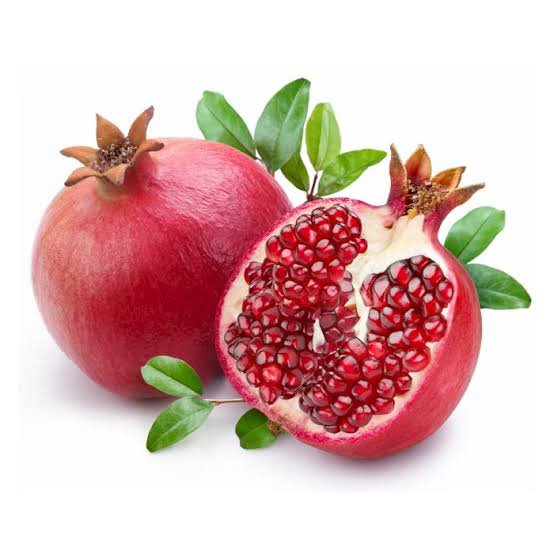
Many people consider pomegranates to be a ‘superfood.’ They are high in antioxidants and polyphenols, which help to combat the oxidative stress that can cause disease in the body.
Eat pomegranates with the seeds to get the fiber benefits.
One raw pomegranate containsTrusted Source:
- 234 calories
- 52.73 g of carbohydrate
- 11.3 g of fiber
- 666 mg of potassium
- 28 mg calcium
- 28.8 mg vitamin C
One pomegranate also contains 46.2 micrograms (mcg) of the recommended 80 mcg daily allowance of vitamin K. This vitamin is essential for strong bones and healthy blood cells.
A review study about the health benefits of pomegranates suggests that they have anti-inflammatory effects and may help protect against brain-related diseases, such as Alzheimer’s disease and Parkinson’s disease. This may be because pomegranates contain particularly high levels of polyphenols.
Research discussed in this review also suggests that pomegranates may restrict the growth of human prostate cancer cells.
How to eat pomegranate
Pomegranates can make a great addition to salads, or to couscous or rice dishes. Pomegranates are sweet, so people can also add them to yogurt and fruit salads.
09 . Pineapple

Pineapple is an exotic fruit that may help reduce inflammation and promote healthy tissue growth.
Pineapple contains an active compound called bromelain, which many people take as a dietary supplement because of its potential health benefits.
The National Center for Complementary and Integrative Health state thatTrusted Source bromelain can help with reducing nasal inflammation or sinusitis. However, scientists need to carry out more research into its benefits for osteoarthritis and its anticancer potential.
Pineapples contain manganese, which the body uses to build bone and tissue. A medium slice of pineapple also containsTrusted Source the following nutrients:
- 42 calories
- 11.02 g carbohydrate
- 1.2 g fiber
- 92 mg potassium
- 40.2 mg vitamin C
- 11 mg calcium
Read more about the benefits of pineapple, the pineapple juice, and potential bromelain benefits.
How to eat pineapple
People can enjoy fresh pineapple by itself or in fruit salads. They can also use pineapple to make a tropical salsa or add it as a topping on fish tacos. Try adding frozen pineapple to smoothies.MEDICAL NEWS TODAY NEWSLETTERKnowledge is power. Get our free daily newsletter.
10 . Bananas

Bananas are rich in potassium, which helps the body control heart rate and blood pressure.
Bananas are well known for their high potassium content. A medium banana containsTrusted Source 422 mg of the adequate adult intakeTrusted Source of 4,500 mg of potassium. Potassium helps the body control heart rate and blood pressure.
Bananas are also a good source of energy, with one banana containing 105 calories and 26.95 g of carbohydrate.
The 3.1 g of fiber in a regular banana can also help with regular bowel movements and stomach issues, such as ulcers and colitis.
A medium banana also contains the following nutrients:
- 1.29 g protein
- 6 mg calcium
- 32 mg magnesium
- 10.3 mg vitamin C
How to eat bananas
banana is an excellent fruit to use to thicken a smoothie. People can also use them in baking as a natural sweetener or to make banana bread or pancakes
11 . Golden berries

The golden berry is a yellow-orange fruit wrapped in a papery husk, similar in appearance to a tomatillo. Golden berries have a tart, tangy taste similar to tropical fruits.
The golden berry goes by many names, including the Cape gooseberry, poha berry, husk cherry, pichu berry, aguaymanto, topotopo, Inca berry, and Peruvian groundcherry.
Golden berries are native to the Andean Mountains in South America, and especially in the Peruvian and Chilean highlands. The fruit was cultivated by region’s native Incans as early as 4,000 years ago. Golden berries have a long and storied history in South American cuisine. null
Golden berries grow on hardy shrubs which can tolerate extreme environments as high as 10,000 feet above sea level. Golden berries grow best in areas that get plenty of sunlight and soil drainage.
Health Benefits
Golden berries have many health benefits to offer. They are rich in carotenoids, which are antioxidants that help to prevent or slow down damage to your cells. These antioxidants can also help to strengthen your cardiovascular system.
Golden berries contain phytosterols, a type of antioxidant that can help lower the amount of cholesterol in your blood, especially so-called “bad” (LDL) cholesterol. Golden berries also contain fatty acids like linoleic acid and oleic acid, which can help you lower your cholesterol overall.
Golden berries contains following nutrients:
- Calcium
- Iron
- Phosphorus
- Vitamin C
- Thiamin
- Riboflavin
- Niacin
- Vitamin A
- Beta-carotene
- Lutein
- Vitamin K
- Vitamin E
Nutrients per Serving
One-half cup of raw golden berries contains:
- Calories: 53
- Protein: 2 grams
- Fat: 1 gram
- Carbohydrates: 11 grams
- Fiber: 5 grams
- Sugar: 6 grams
- Cholesterol: 0 milligrams
- Sodium: 0 milligrams
How to Eat Golden Berries
You can use golden berries in a variety of sweet and savory dishes. They often work well in place of tomatillos. To find your favorite new dish, try some of these golden berry recipes:
- Make a tropical fruit salad with golden berries.
- Make your own golden berry granola bars.
- Whip up a golden berry salsa.
- Enjoy barbecued chicken with golden berry sauce.
- Bake golden berry and raspberry muffins.
12 . Avocado

Many people refer to avocados as a superfood because of their healthful qualities.
Avocados are rich in oleic acid, a monounsaturated fat which helps lower cholesterol levels. The American Heart Association say that maintaining healthy cholesterol levels with healthful fats could reduce the risk of heart disease and stroke.
Like bananas, avocados are rich in potassium. They also contain lutein, an antioxidant which is important for healthy eyes and skin.
Half an avocado containsTrusted Source the following nutrients:
- 161 calories
- 2.01 g protein
- 8.57 g carbohydrate
- 6.7 g fiber
- 12 mg calcium
- 29 mg magnesium
- 487 mg potassium
- 10.1 mg vitamin C
Avocados also contain folate, vitamin A, and beta-carotene.
How to eat avocado
People can add avocado to salads, or mix with lime, garlic, and tomatoes to make guacamole. Add avocado to smoothies or hummus, or use avocado instead of otheir fats in baking.
13 . Blueberries

Blueberries are another superfood that can provide many health benefits.
Like strawberries, blueberries contain anthocyanin, which is a powerful antioxidant. Because of this, they might protect against heart disease, stroke, cancers, and other diseases.
Blueberries also contain pterostilbene, a compound that may help prevent plaque from collecting in the arteries.
Half a cup of blueberries providesTrusted Source the following nutrients:
- 42 calories
- 10.72 g carbohydrate
- 1.8 g fiber
- 4 mg calcium
- 57 mg potassium
- 7.2 mg vitamin C
How to eat blueberries
Fresh or frozen blueberries are a great addition to breakfast cereals, desserts, yogurt, or smoothies.
14 . Grapes

Grapes come in different colors and forms. There are red, green, and purple grapes, seedless grapes, grape jelly, grape jam and grape juice, raisins, currents, and sultanas, not to mention wine.
Up to 8,000 years ago, people first cultivated grape vines in what is now the Middle East.
Today, 72 million tons of grapes are grown each year worldwide, mostly to produce wine. Every year, 7.2 trillion gallons of wine are produced. Grapes are also a popular finger food.
The nutrients in grapes offer a number of possible health benefits. They have been associated with prevention of cancer, heart disease, high blood pressure, and constipation.
Benefits:
A diet that is rich in fruits and vegetables has been linked to a reduced risk of various conditions, including heart disease, diabetes, cancer, and obesity.
Like other fruits and vegetables, grapes are a good source of fiber and water.
Antioxidants and other nutrients in grapes may make them particularly healthful, although more research is needed to confirm some of their benefits.
Nutrition
According to the U.S. Department of Agriculture (USDA), one cup of red or green grapes weighing around 151 grams (g) containsTrusted Source:
- 104 kilocalories
- 1.09 g of protein
- 0.24 g of fat
- 27.33 g of carbohydrate, of which 23.37 g is sugars
- 1.4 g of fiber
- 288 mg of potassium
- 15 milligrams (mg) of calcium
- 0.54 mg of iron
- 11 mg of magnesium
- 30 mg of phosphorus
- 3 mg of sodium
- 0.11 mg of zinc
- 4.8 mg of vitamin C
- 22 micrograms (mcg) of vitamin K
- 3 mcg of folate
Grapes also contain vitamins B and A, and they are high in water content. A cup of grapes contains over 121 g of water.
How to eat Grapes
Grapes are available year round. Select grapes that are tight to the touch and free of wrinkles. They are best stored in the refrigerator and should be washed before eaten.
The best way to eat grapes is as a fresh fruit. Most grape jellies or spreads, and juices have added sugars, and they can be high in calories.
Here are some handy tips for incorporating more grapes into the diet:
- Slice grapes in half and add them to a chicken salad.
- Make a fruit cocktail with fresh grapes, pineapple, sliced peaches, and strawberries.
- Freeze grapes and eat them as a snack or dessert on a hot day.
- Have a cup of fresh grapes for a quick, 100-calorie snack
15 . Apricot

Apricots (Prunus armeniaca) are stone fruits also known as Armenian plums.
Round and yellow, they look like a smaller version of a peach but share the tartness of purple plums.
They’re extremely nutritious and have many health benefits, such as improved digestion and eye health.
Apricots are a delicious fruit packed with vitamins, fiber, and antioxidants. They have multiple benefits, including improved eye, skin, and gut health.
Nutrition:
Apricots are very nutritious and contain many essential vitamins and minerals.
Just 2 fresh apricots (70 grams) provide (1Trusted Source):
- Calories: 34
- Carbs: 8 grams
- Protein: 1 gram
- Fat: 0.27 grams
- Fiber: 1.5 grams
- Vitamin A: 8% of the Daily Value (DV)
- Vitamin C: 8% of the DV
- Vitamin E: 4% of the DV
- Potassium: 4% of the DV
Furthermore, this fruit is a decent source of beta carotene, lutein, and zeaxanthin, all of which are potent antioxidants that help fight free radicals in your body (2Trusted Source, 3Trusted Source, 4Trusted Source).
It’s best to enjoy apricots whole and unpeeled, as the skin boasts large amounts of fiber and nutrients. Be sure to discard the stone, as it’s inedible.
How to eat Apricot
Fresh or dried, apricots are easy to add to yogurt, salads, and main meals.
If you’re used to eating peaches and plums, apricots can be a great way to change up your routine.
Summary
Fruits come in all shapes and sizes, and different fruits have different health benefits. For the best results, add a variety of fruits to the diet.
By eating fruit, a person is providing their body with key vitamins, antioxidants, and dietary fiber. This can have significant benefits for heart health, digestion, weight management, and skin health.
People can enjoy a wide variety of fruits to improve their health and lower the risk of inflammation, heart disease, cancer, obesity, and diabetes.
 Dream knowledge